
High-Performance RAM Engine Parts for Heavy Machinery and Equipment Applications
March 24, 2026
Choosing Durable Spare Parts for Environmentally Integrated Construction Projects
April 13, 2026
Spare Parts for Heritage Restoration Machinery Planning
Heritage restoration projects present a unique blend of challenges and opportunities. These projects, often aimed at preserving historic buildings or adapting old structures for new uses, require careful planning, precision, and reliable equipment. Heavy machinery plays a crucial role in ensuring restoration work is done efficiently and safely. However, without proper planning for spare parts, even the best machinery can experience downtime, delaying critical milestones and increasing project costs. This makes spare parts for heritage restoration machinery an essential consideration for project managers and contractors alike.
Understanding the Role of Heavy Machinery in Heritage Restoration
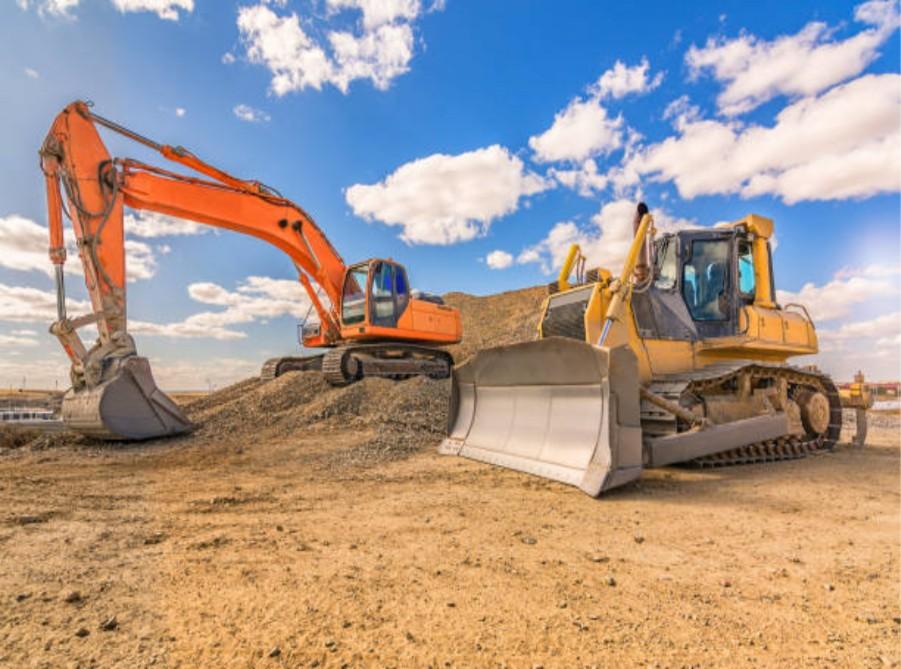
Restoring heritage buildings involves a delicate balance between modern construction techniques and the preservation of historic elements. Heavy machinery, such as excavators, loaders, and hydraulic equipment, is indispensable for moving materials, excavating carefully, and performing structural reinforcement. These machines allow teams to handle large-scale restoration tasks without compromising the integrity of the site.
In adaptive reuse projects, where old buildings are converted into functional spaces such as offices, hotels, or museums, machinery must operate with precision. Any breakdown can halt work, risking damage to historic elements and delaying project timelines. For this reason, restoration equipment needs continuous maintenance and readily available spare parts. Ensuring availability of these components is crucial to maintain operational continuity and safeguard long-term reliability. This includes not only general machinery components but also specialized automotive engine parts, diesel engine parts, and engine spare parts that keep heavy equipment running efficiently.
Challenges in Heritage Restoration Projects
Heritage restoration projects often occur in areas with limited access, tight working spaces, or fragile structures. This environment makes equipment reliability paramount. A minor mechanical issue can escalate into significant downtime, affecting the overall project schedule. Additionally, the specialized nature of some machinery may require parts that are not commonly available, highlighting the importance of pre-planned spare parts sourcing.
Project managers must anticipate potential equipment failures and identify critical spare parts ahead of time. This proactive approach allows teams to maintain the machinery efficiently and reduce emergency repairs, which are often costly and time-consuming. Availability of engine spare parts and other critical components can mean the difference between timely project completion and costly delays.
Importance of Spare Parts Planning
Proper spare parts planning ensures that heavy machinery operates smoothly throughout the restoration project. By establishing a system for inventory management and regular maintenance, teams can prevent unexpected breakdowns and extend the life of restoration equipment.
Preventive maintenance is a key strategy in this process. Regular inspections, timely replacement of worn components, and monitoring equipment performance help identify potential issues before they disrupt operations. Planning for spare parts for heritage restoration machinery is not just about having components on hand—it’s about creating a comprehensive maintenance strategy that enhances reliability and efficiency. This often includes sourcing critical automotive engine parts, diesel engine parts, and engine spare parts to prevent interruptions in machinery performance.
At Super Parts, we understand the critical role spare parts play in heritage restoration. Our extensive range of high-quality components ensures that machinery remains operational, even in challenging project environments. From hydraulic hoses to engine components, including diesel engine parts and other essential engine spare parts, Super Parts provides reliable solutions that help contractors complete projects on time and within budget.
Choosing the Right Spare Parts Supplier
Selecting the right supplier is crucial for successful spare parts management. Project managers should look for suppliers that offer quality assurance, a broad sourcing network, and responsive customer support. Super Parts meets these criteria, providing genuine and aftermarket components that maintain the performance of heavy machinery.
Reliable suppliers also help streamline logistics, ensuring that parts are delivered promptly. Timely delivery minimizes downtime and keeps restoration projects on schedule. With trusted suppliers, teams can focus on executing adaptive reuse projects without worrying about unexpected machinery failures. Having access to automotive engine parts and other essential components ensures machinery remains operational when it is needed most.
Practical Strategies for Spare Parts Management
Effective spare parts management involves several practical steps. First, creating an inventory system for frequently used components helps teams quickly locate the parts they need. Maintaining a record of machinery maintenance and part replacements can also identify patterns, allowing for predictive analysis and proactive part ordering.
Scheduling regular inspections and maintenance checks ensures that worn parts are replaced before causing machinery failure. Preventive maintenance routines, combined with a well-maintained spare parts inventory, significantly reduce downtime and improve overall efficiency.
Collaboration with reputable suppliers like Super Parts enhances this process. Our team can provide expert guidance on spare parts selection and sourcing, ensuring that restoration equipment remains operational throughout the project lifecycle. Availability of engine spare parts, automotive engine parts, and diesel engine parts plays a vital role in keeping heavy machinery running smoothly during critical heritage restoration tasks.
Case Example: Adaptive Reuse Project
Consider a project converting a historic warehouse into a modern office space. Heavy machinery is used to remove debris, reinforce structural elements, and excavate foundations for new installations. Without a planned supply of spare parts, an unexpected hydraulic hose failure or engine malfunction could halt work for days. By implementing a spare parts plan and maintaining preventive maintenance schedules, the project team ensures that the machinery remains functional, minimizing delays and maintaining project quality. This real-world scenario illustrates how proper planning, including sourcing engine spare parts and other essential components, directly impacts efficiency and cost management in heritage restoration projects.
Cost and Time Benefits of Proper Spare Parts Planning
Investing time in spare parts planning pays off in multiple ways. By reducing emergency repairs, project managers can avoid costly downtime and unplanned expenses. Proper spare parts management also minimizes labor interruptions, as teams can continue work without waiting for components to arrive. Over time, machinery lifespan improves, and operational performance remains consistent, contributing to the long-term success of adaptive reuse projects.
Moreover, efficient spare parts planning allows contractors to maintain a higher level of safety on-site. Machinery that is regularly serviced and equipped with necessary parts reduces the risk of accidents, protecting workers and preserving historic structures. Reliable access to diesel engine parts and other critical machinery components ensures that projects proceed safely and without unnecessary delays.
Conclusion
In heritage restoration projects, every detail matters. Heavy machinery is essential for executing complex tasks efficiently, but its effectiveness depends on the availability and planning of spare parts for heritage restoration machinery. By integrating preventive maintenance, collaborating with reliable suppliers, and maintaining an organized inventory, project managers can ensure that restoration work proceeds smoothly.
Super Parts plays a vital role in supporting these initiatives, offering high-quality spare parts that enhance machinery performance and reliability. Contractors and project managers can rely on our expertise to keep restoration projects on track and safeguard the long-term success of historic structures. Whether you need engine spare parts, automotive engine parts, or diesel engine parts, Super Parts has the solutions to ensure your machinery operates at peak efficiency. For tailored spare parts solutions and guidance, contact us to plan your heritage restoration project effectively.
FAQ
1. What are spare parts for heritage restoration machinery?
Components used to maintain and repair heavy machinery in restoration projects.
2. Why is preventive maintenance important?
It reduces downtime and extends equipment life.
3. How do I choose a reliable spare parts supplier?
Look for quality assurance, logistics efficiency, and responsive support.
4. What machinery is typically used in heritage restoration?
Excavators, loaders, and hydraulic equipment are commonly used.
5. Can spare parts improve long-term reliability of machinery?
Yes, proper parts and planning ensure consistent performance.