
Expert Tips for Preventing Hydraulic System Leaks
October 22, 2025
Choosing the Right Ground Engaging Tools for Maximum Efficiency
October 31, 2025
Transmission Upgrades That Boost Excavator Productivity
Upgrading your excavator’s transmission can have a significant impact on operational efficiency and overall performance. Understanding the excavator transmission upgrade benefits helps fleet managers and contractors make informed decisions that enhance productivity and reduce long-term costs.
Modern transmission systems are designed to handle demanding workloads, and selecting the right upgrade can streamline operations, improve fuel efficiency, and extend the life of critical components. For more details on quality excavator components, visit Super Parts.
Understanding Excavator Transmission Systems
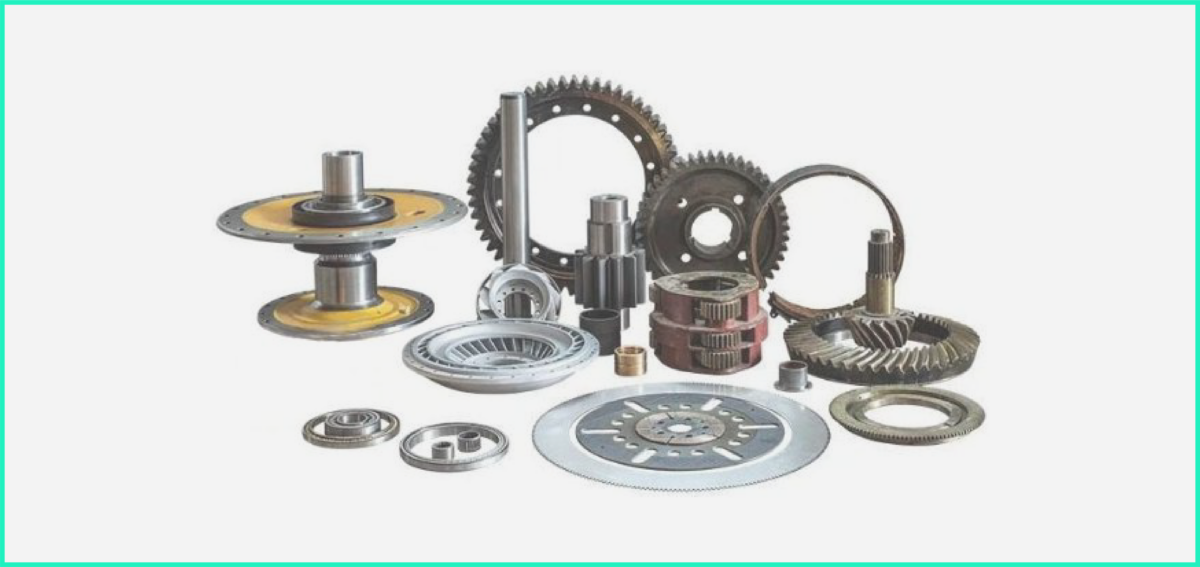
Excavators rely on a combination of hydraulic and mechanical transmission systems to transfer power from the engine to the tracks and attachments. These systems are central to machine performance, determining how efficiently an excavator can operate under various conditions.
Key Transmission Types
- Hydraulic Transmissions: Hydraulic transmissions use fluid pressure to transfer power, providing smooth operation and precise control. They are particularly effective in applications requiring frequent stops, starts, or directional changes.
- Mechanical Transmissions: Mechanical or gear-driven transmissions rely on physical gears and shafts to transfer power. They are generally more durable under heavy loads and provide a direct connection between the engine and the tracks.
Critical Components That Affect Performance
Several components play a pivotal role in transmission efficiency and longevity:
- Torque Converters: Multiply engine torque and provide smooth acceleration under load.
- Hydraulic Pumps: Deliver fluid flow to drive the system and maintain consistent pressure.
- Control Valves: Regulate the direction and force of hydraulic flow, ensuring smooth operation and precision control.
Maintaining these components is essential to prevent downtime and optimize performance. A poorly maintained or outdated transmission can result in slower cycle times, increased fuel consumption, and higher maintenance costs.
Top Benefits of Transmission Upgrades
Upgrading an excavator transmission provides multiple advantages that go beyond simple performance improvements. These benefits are particularly relevant for fleet managers looking to enhance operational efficiency and maximize return on investment. For example, the integration of Ground Engaging Tools into machinery can have a similarly positive impact, ensuring that the equipment performs optimally in demanding conditions while maintaining high efficiency.
Productivity Gains
An upgraded transmission can significantly improve excavator productivity. Key operational improvements include:
- Faster Cycle Times: Enhanced torque delivery allows the excavator to complete digging, loading, and dumping cycles more quickly.
- Smoother Operation Under Load: Advanced transmission components reduce jerking and lag, allowing operators to maintain consistent control during heavy lifting or complex maneuvers.
These improvements lead to less strain on both the machine and the operator, resulting in more efficient workflows and higher output per machine.
Fuel Efficiency
Fuel consumption is a major operating cost for any contractor. Transmission upgrades can optimize power delivery and reduce unnecessary engine strain, leading to more efficient fuel use. By matching the power output to operational demands, upgraded transmissions help ensure the excavator operates at peak efficiency.
| Benefits | How It Helps |
| Optimized Power Delivery | Reduces fuel waste during heavy operation |
| Reduced Engine Load | Less wear on the engine, improving longevity |
| Smoother Control | Minimizes sudden surges that increase consumption |
Part Compatibility and Longevity
Modern transmission upgrades are designed to integrate seamlessly with existing hydraulic systems. Benefits include:
- Reduced Wear on Critical Components: Enhanced torque converters and control valves minimize stress on pumps, gears, and other components.
- Extended Service Life: Upgraded parts are more durable, reducing the frequency of repairs and component replacements.
Ensuring compatibility during the upgrade process is essential to maintaining system reliability and avoiding costly downtime.
System Reliability
The reliability of an excavator’s transmission directly affects operational uptime. Upgraded systems provide:
- Decreased Breakdowns: Enhanced durability and optimized components reduce the risk of unexpected failures.
- Improved Fleet Up time: Reliable operation ensures that machines remain productive, minimizing idle time and maintaining project schedules.
Overall, these benefits allow fleet managers and contractors to plan work more efficiently and reduce interruptions caused by maintenance or component failure.
Real World ROI for Fleet Managers
Investing in transmission upgrades offers tangible operational and financial returns for fleet managers. Upgraded systems can improve productivity, reduce maintenance needs, and enhance fuel efficiency, leading to measurable savings over time.
For contractors and managers seeking guidance on selecting the right upgrades, learning more about the company’s expertise in hydraulic and transmission systems can provide valuable insights. You can read more about the team’s experience and capabilities in delivering effective solutions by visiting the excavator transmission upgrade benefits About Us page.
Operational Examples
Consider the scenario of a contractor operating multiple excavators in a high-demand construction environment. After implementing transmission upgrades:
- Machines demonstrated smoother operation, allowing operators to complete tasks more efficiently.
- Component wear decreased, reducing repair frequency and downtime.
- Fuel consumption dropped due to optimized torque delivery and power distribution.
The long-term effect is a higher return on investment as upgraded transmissions extend machine life and reduce operational costs, even if the upfront investment is higher.
Long Term Savings
While initial installation requires careful planning, the cumulative benefits of reduced downtime, fuel efficiency, and fewer repairs contribute to measurable savings. Over the lifetime of the equipment, these upgrades can significantly improve fleet profitability and resource utilization.
Choosing the Right Upgrade
Selecting the most appropriate transmission upgrade requires careful consideration of machine-specific factors, workload demands, and operational environments.
Factors to Consider
- Machine Model and Age: Ensure compatibility between the upgraded transmission and the existing excavator model.
- Workload Requirements: Assess the type of tasks the machine performs regularly, such as heavy lifting, excavation, or long operating hours.
- Operating Environment: Harsh conditions, such as extreme temperatures or abrasive terrain, require more robust transmission solutions.
OEM vs Aftermarket Options
Both OEM and aftermarket upgrades are available for excavators. OEM parts generally guarantee precise fit and adherence to original specifications, while aftermarket options may provide enhanced durability or additional features. When considering the right choice for your Transmission heavy equipment, it’s essential to weigh the long-term benefits, such as performance improvements and compatibility with your existing systems.
Installation and Maintenance Tips
Proper installation is critical to realizing the full benefits of a transmission upgrade. Best practices include:
- Ensuring qualified technicians perform the installation.
- Conducting regular inspections and preventive maintenance.
- Monitoring performance indicators such as fluid temperature and pressure to detect potential issues early.
Adhering to these practices ensures the upgraded system performs reliably and provides maximum operational efficiency.
Frequently Asked Questions
Q1: How soon can I expect to see benefits after upgrading an excavator transmission?
A1: Productivity gains and smoother operation are typically noticeable immediately, while fuel efficiency and reduced maintenance costs accumulate over time.
Q2: Are upgraded transmissions compatible with all hydraulic systems?
A2: Most modern upgrades are designed for compatibility, but it’s important to verify part fit and system specifications for each machine model.
Q3: Does upgrading the transmission affect operator control?
A3: Yes. Upgraded systems generally provide smoother, more responsive control, enhancing both efficiency and safety during operation.
Q4: Can older excavators benefit from transmission upgrades?
A4: Absolutely. Upgrades can extend the life of older machines, improve reliability, and make them more competitive with newer equipment.
Conclusion
Understanding excavator transmission upgrade benefits is essential for fleet managers and contractors aiming to optimize productivity, reduce operational costs, and improve long-term equipment reliability. By upgrading key components, such as torque converters and control valves, excavators achieve smoother operation, improved fuel efficiency, and enhanced system longevity.
Carefully selecting the right transmission upgrade, ensuring compatibility, and following proper installation and maintenance procedures can yield substantial returns over the life of the machine. Transmission upgrades are not just a technical improvement they are a strategic investment in fleet efficiency and operational success. For guidance on selecting the right transmission upgrade, you can contact Super Parts directly.