
Expert Tips for Preventing Hydraulic System Leaks
October 22, 2025
How to Choose Durable Engine Spare Parts for Heavy Machinery
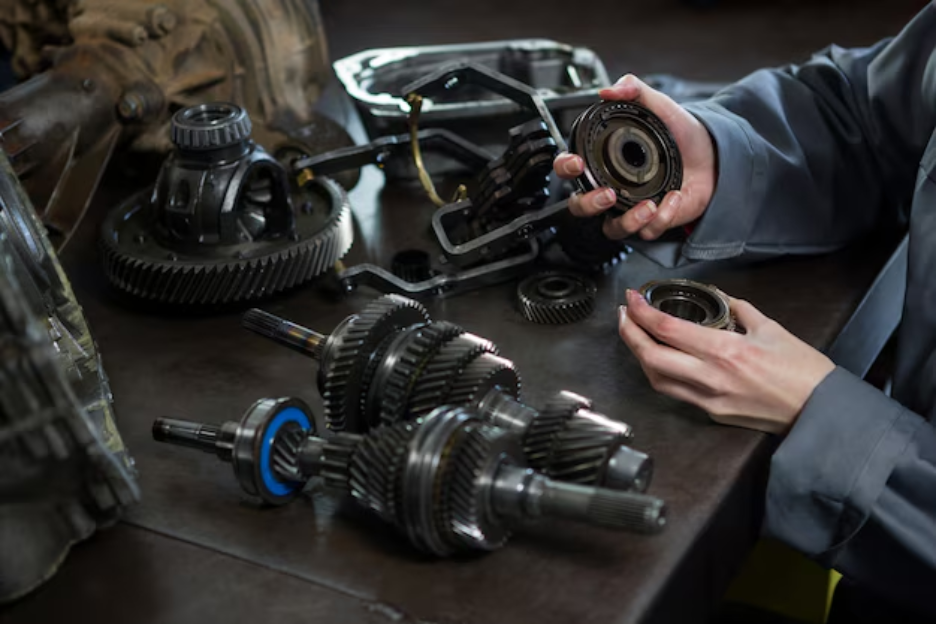
Heavy machinery is the backbone of industries ranging from construction to mining, agriculture to transportation. These machines operate under extreme conditions, facing heavy loads, high temperatures, and continuous wear. At the heart of every machine lies the engine a complex, precision driven system whose performance depends heavily on the quality of its spare parts. Choosing durable engine spare parts is not just a technical necessity; it directly impacts operational efficiency, cost management, and long-term equipment reliability.
In this article, we will explore how procurement officers and maintenance managers can select the best heavy equipment for engine parts, emphasizing quality checks, part compatibility, supplier reliability, and overall engine longevity.
Why Engine Spare Parts Define Machinery Performance
The engine is the most critical component of any heavy machine. Its performance dictates the machine’s output, fuel efficiency, and reliability. Even minor defects or substandard parts can trigger costly breakdowns, unscheduled downtime, and increased repair expenses.
Engine spare parts such as pistons, valves, fuel injectors, turbochargers, and bearings must withstand intense stress and friction. Choosing low-quality parts may save money initially, but often leads to accelerated wear, reduced engine longevity, and unexpected operational disruptions. Therefore, understanding how each component interacts within the engine system is essential for making informed procurement decisions.
Key Factors in Selecting the Best Heavy Equipment Engine Parts
Selecting high-quality engine parts involves more than just comparing prices. The right components ensure compatibility, reduce wear, and improve overall machine efficiency. When evaluating engine parts, consider the balance between OEM and aftermarket options, verify compatibility with your specific engine system, and confirm that parts meet strict quality assurance and testing standards. For a wide selection of reliable and certified engine components, organizations can explore Super Parts products to find parts suitable for various heavy machinery models. These factors ensure that each part contributes positively to engine longevity and reduces the risk of unexpected failures.
OEM vs Aftermarket: Which is Better?
One of the first decisions procurement officers face is choosing between OEM vs aftermarket parts.
- OEM Parts: Manufactured by the original engine maker, OEM parts are designed to fit and perform precisely as intended. They offer guaranteed part compatibility, high quality, and long-term reliability. However, they often come at a premium price.
- Aftermarket Parts: Produced by third-party manufacturers, aftermarket parts are usually more cost-effective. They can match or sometimes exceed OEM standards, but their quality varies widely. When considering aftermarket options, it’s crucial to verify the manufacturer’s certifications and past performance in similar applications.
Ultimately, the choice depends on the balance between immediate cost savings and long-term engine performance. For mission-critical machinery, OEM parts often provide peace of mind and predictable maintenance schedules.
Part Compatibility and System Efficiency
Even the highest-quality parts can fail if they are incompatible with the existing engine system. Factors to consider include:
- Engine model specifications: Check the engine type, year of manufacture, and any design modifications.
- Interchangeability: Some parts are compatible across different engine models, while others are highly specialized.
- Performance requirements: Heavy-duty operations may demand reinforced or high-grade parts to handle extreme stress.
Ensuring part compatibility enhances system efficiency, reduces wear, and prevents cascading failures. A single mismatched component can affect fuel efficiency, power output, and overall machine reliability.
Quality Assurance and Testing Standards
Quality assurance is non-negotiable when selecting engine spare parts. Reliable suppliers adhere to rigorous testing and compliance standards, including ISO certifications, stress testing, and material verification. Key quality checks include:
- Material integrity: Confirm that metals, alloys, and composites meet industry standards for strength and durability.
- Dimensional accuracy: Parts should conform to precise measurements to ensure proper fit and function.
- Performance testing: Components like fuel injectors and turbochargers must undergo operational tests to confirm efficiency and longevity.
Investing time in quality verification safeguards against early part failures and ensures that the engine performs optimally over its expected lifecycle.
Ensuring Long-Term Engine Longevity
Long-term engine performance depends not only on the quality of spare parts but also on how they are used and maintained. Proper selection of parts must align with maintenance schedules, operating conditions, and replacement cycles to ensure sustained efficiency.
Supplier reliability also plays a critical role dependable vendors provide timely delivery, technical support, and warranties that safeguard your investment. Balancing cost vs value is equally important high-quality parts may cost more initially but can significantly reduce maintenance and downtime costs over the machine’s lifecycle. Ultimately, strategic part selection and proactive maintenance practices are key to achieving durable engine performance.
How Maintenance Schedules Impact Part Selection
Regular maintenance is integral to engine longevity, and it influences which parts should be selected. For instance:
- Parts with shorter lifespans, such as filters, seals, and gaskets, may require more frequent replacement.
- Critical load-bearing components like pistons, bearings, and crankshafts should be of the highest quality to minimize wear over extended intervals.
By aligning maintenance schedules with the durability of selected parts, maintenance managers can reduce downtime, extend engine life, and optimize operating costs. Predictive maintenance strategies, informed by performance data, can further improve the decision-making process.
Supplier Reliability and Support Services
A dependable supplier is just as important as the quality of the parts they provide. Consider suppliers who offer:
- Prompt delivery: Reducing downtime by ensuring critical parts are available when needed.
- Technical support: Expert guidance on installation, compatibility, and troubleshooting.
- Warranty services: Protection against defects or premature failures.
Supplier reliability builds trust and ensures a smooth workflow. Long-term partnerships with reputable vendors simplify part sourcing and minimize operational risk.
Cost vs Value: Thinking Beyond the Price Tag
While budget constraints are real, the cheapest option is rarely the most cost-effective in the long run. Consider the total cost of ownership (TCO), which includes:
- Purchase price of parts
- Installation and labor costs
- Maintenance intervals and frequency of replacement
- Downtime costs due to part failure
By focusing on value over upfront cost, procurement officers can secure parts that optimize performance and reduce unexpected expenses over the machine’s lifespan.
Best Practices for Part Sourcing
Sourcing reliable engine spare parts requires a strategic approach. Building relationships with trusted suppliers ensures timely delivery and access to high-quality components. Vetting suppliers for certifications, track records, and service support is crucial for consistent supply and performance. For organizations looking for dependable sourcing, platforms like Super Parts offer a wide range of certified engine components for heavy machinery.
Before purchasing, it is essential to verify engine part quality, including material testing, dimensional checks, and performance validation. Combining these practices reduces operational risks, prevents costly machine failures, and helps maintain a reliable inventory of critical components. By implementing robust sourcing strategies, organizations can maximize efficiency, reduce downtime, and extend the overall life of their heavy machinery.
Building Trusted Supplier Relationships
Strong supplier relationships are a cornerstone of efficient procurement. To build these relationships:
- Conduct regular supplier evaluations based on performance metrics, quality compliance, and delivery history.
- Communicate clearly about part specifications, expected lead times, and performance requirements.
- Establish long-term agreements to lock in favorable terms, bulk discounts, and priority access during high-demand periods.
A robust supplier network ensures consistent availability of engine spare parts, mitigates risks, and enhances operational efficiency.
How to Verify Engine Part Quality Before Purchase
Before finalizing a purchase, verification processes are essential:
- Request certifications and test reports: ISO, API, and other industry certifications provide assurance of quality standards.
- Inspect sample parts: Physical inspection helps identify material defects or dimensional inaccuracies.
- Check compatibility with your engine: Cross-reference manufacturer specifications and performance data.
- Evaluate supplier reputation: Seek feedback from industry peers or check references for reliability and past performance.
These verification steps prevent costly mistakes, ensuring that purchased parts contribute to engine longevity and system efficiency.
Conclusion
Choosing durable engine spare parts is not just about cost it’s a long-term investment in machine reliability, operational efficiency, and workforce productivity. By considering OEM vs aftermarket options, ensuring part compatibility, adhering to quality assurance standards, and relying on trustworthy suppliers, procurement officers and maintenance managers can make decisions that enhance engine longevity and reduce unforeseen breakdowns.
A structured, informed approach to sourcing and selecting engine components ensures machines run smoothly, maintenance schedules remain predictable, and the organization achieves maximum return on its equipment investments. For guidance or assistance with sourcing high-quality engine parts, teams can reach out through this contact page.
FAQs: Choosing Durable Engine Spare Parts for Heavy Machinery
1. What are the most important factors when selecting engine spare parts?
When selecting engine spare parts, it’s essential to consider part compatibility, quality assurance, OEM vs aftermarket options, supplier reliability, and cost versus value. Ensuring these factors are aligned helps maintain engine longevity and reduces the risk of unexpected breakdowns.
2. Should I choose OEM or aftermarket engine parts?
OEM parts are manufactured by the original engine maker and guarantee perfect fit and performance, making them ideal for critical machinery. Aftermarket parts can be cost-effective and sometimes meet high-quality standards, but it’s crucial to verify certifications and past performance before purchase.
3. How does part compatibility affect engine performance?
Even high-quality parts can fail if they are not compatible with your engine system. Proper compatibility ensures smooth operation, prevents wear, maintains system efficiency, and supports long-term engine reliability.
4. How can I verify the quality of engine spare parts before buying?
Quality verification involves checking supplier certifications, requesting test reports, inspecting sample parts, and confirming dimensional accuracy. It is also recommended to source parts from trusted suppliers who provide technical support and warranty services.
5. How do maintenance schedules influence spare part selection?
Maintenance schedules directly impact which parts to select. Components with shorter lifespans, like filters and seals, may require frequent replacement, while load-bearing parts like pistons and bearings should be high-quality to ensure long-term engine longevity. Proper alignment with maintenance schedules minimizes downtime and reduces operational costs.